
Negotiating Home Inspection (Repairs vs. Closing Credits) Like a Pro
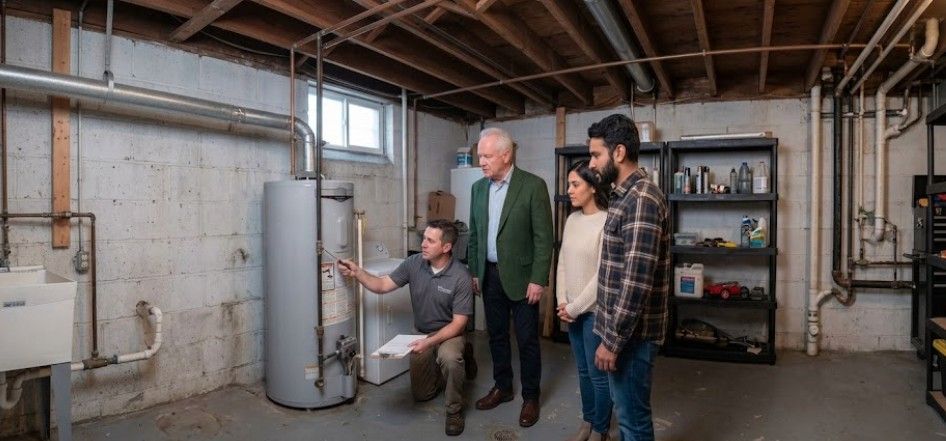
Going under contract on a home is a major milestone, but receiving a 40-to-60-page home inspection report can quickly feel overwhelming. Between color-coded summary pages, detailed photos, and technical jargon, it is easy for buyers to panic when seeing a long list of flagged items.
However, a home inspection report is not a pass-or-fail test, it is a diagnostic road map. Learning how to interpret your findings, collaborate with your real estate agent, gather accurate contractor estimates, and decide between repairs vs. closing credits will ensure you protect your investment without derailing the deal.
1. Decoding Your Home Inspection Report
Most professional inspection reports separate findings into three distinct categories:
-
Safety & Structural Hazards (Must-Address): Active roof leaks, ungrounded/hazardous electrical panels, structural settlement, non-functioning HVAC in extreme weather, or active plumbing leaks.
-
Major Maintenance & Aged Systems (Negotiable): Aging HVAC units near end-of-life, minor roof wear, double-pane window seal failures, or slow drains.
-
Cosmetic & Minor DIY Items (Skip Negotiating): Loose cabinet doors, chipped paint, scuffed baseboards, or missing outlet cover plates.
Focus strictly on the first two categories. Attempting to negotiate every cosmetic flaw dilutes your leverage and can alienate sellers.
2. Strategic Review with Your Real Estate Agent
Once you receive the report, schedule an immediate strategy call with your agent to establish your negotiation priorities within your contract’s inspection contingency deadline.
Your agent will help you divide flagged items into three operational tiers:
-
Non-Negotiables: Critical structural, health, or safety defects that must be resolved for you to move forward.
-
Monetary Credit Requests: Items that require specialized attention or complete system replacement where a seller credit or price reduction is preferred.
-
Buyer Maintenance Items: Minor issues you accept "as-is" and plan to address yourself after closing.
3. Getting Accurate Contractor Quotes
Before asking for a blanket credit amount, secure professional scope-of-work estimates. Guesses can leave thousands of dollars on the table or lead to unreasonable demands that stall negotiations.
-
Bring in Licensed Specialists: If the inspector flags structural settlement, foundation issues, or hazardous attic electrical work, hire a licensed structural engineer, electrician, or roofer to conduct a specialized evaluation immediately.
-
Obtain Itemized Bids: Ask contractors for line-item repair quotes specifying labor, materials, and permit costs.
-
Use Quotes as Leverage: Written contractor estimates provide objective, third-party proof of the true cost to cure, making it significantly harder for sellers to dispute your credit request.
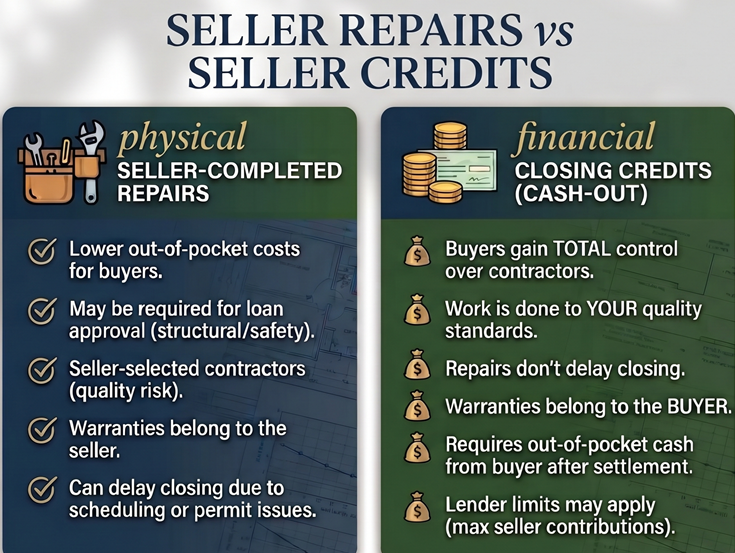
Pro Tip: In most situations, requesting a closing credit or price adjustment is superior to asking the seller to complete repairs. It gives you total control over contractor selection, material quality, and repair warranties.
Next Steps to Secure Your Contract
Work closely with your agent to draft a formal Inspection Addendum backed by contractor quotes and clear engineering scopes. By focusing on true safety and structural items while offering reasonable solutions through seller credits, you position yourself for a smooth path to the closing table.
If you are considering buying or selling a home in Maryland or Washington DC, or you want to adjust a strategy that is not working, give me a call for a free consultation.
Categories
Recent Posts







Principal Premier Agent License ID: MD: 644396 | DC: SP40002306
+1(301) 525-7453 | bryan.kerrigan@redfin.com