
Coming Nov 2, 2026: Navigating the NEW Appraisal Mandate: A Guide for Agents, Lenders, Buyers & Sellers
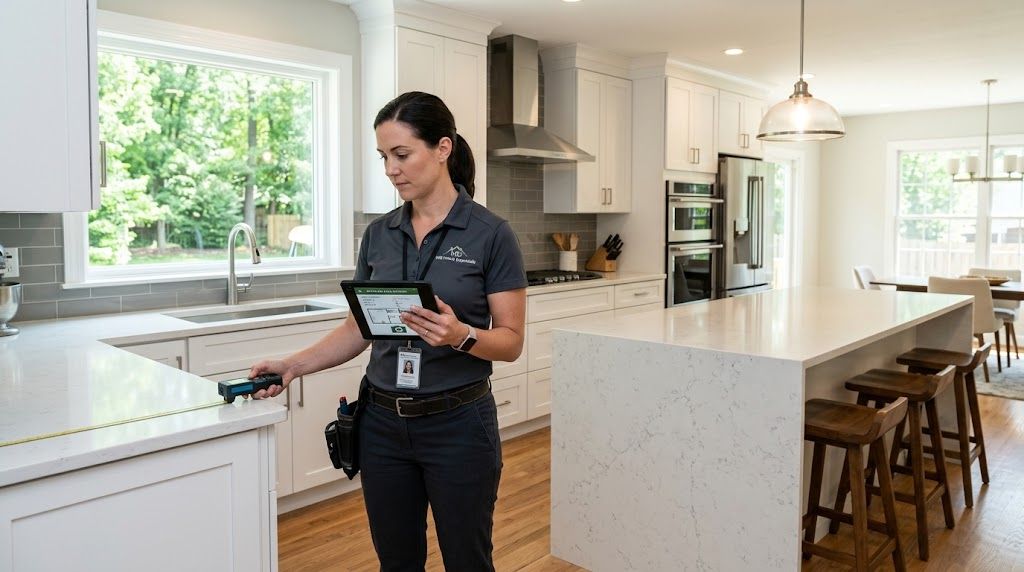
Starting November 2, 2026, Fannie Mae and Freddie Mac (the GSEs) are making UAD 3.6 (Uniform Appraisal Dataset 3.6) and the redesigned Uniform Residential Appraisal Report (URAR) mandatory for all new conventional mortgage loans submitted to the Uniform Collateral Data Portal.
This update replaces legacy static appraisal forms (like Form 1004) with a single, dynamic digital format that expands and contracts based on property features. Rather than changing how property value is calculated, it dramatically expands the depth, granularity, and structure of data collected.
Key Technical & Reporting Changes in UAD 3.6
-
Granular Condition & Quality Ratings: Replaces overall property-wide ratings with separate ratings for interior vs. exterior components, plus room-by-room condition details.
-
Dedicated Data Fields: Includes standardized fields for Accessory Dwelling Units (ADUs/in-law suites), solar panel ownership status (owned vs. leased), high-speed broadband internet availability, ceiling heights, and disaster mitigation features.
-
Strict Measurement Alignment: Requires exact matching between room details and gross living area (GLA) levels under the ANSI measurement standard (e.g., explicit separation of finished walkout basements from above-grade living area).
Impact on Key Stakeholders in the Transaction
1. Real Estate Agents (Listing & Buyer Agents)
-
Closing Timelines & Purchase Contracts: Inspection and reporting under UAD 3.6 require significantly more data collection, photos, and documentation. Expect appraisal turnaround times to stretch from 7 days to 10–14+ days during the transition. Agents should consider extending financing/appraisal contingency windows to 35–45 days on purchase offers.
-
Listing Details Matter: Because appraisers must report specific features like broadband connectivity, solar lease details, and ADU specs, listing agents should prepare comprehensive feature sheets ahead of time to avoid appraiser delays or follow-ups.
-
Below-Grade vs. Above-Grade Education: Agents must continue setting clear expectations with sellers that finished basements—even bright daylight walkouts—are categorized as below-grade square footage under ANSI standards.
2. Mortgage Lenders & Underwriters
-
Automated & Computer-Vision Reviews: Lenders are adopting updated review platforms (utilizing AI and computer vision) to automatically cross-check property photos against appraiser ratings before submission.
-
Operational Friction Early On: Underwriting teams will face a learning curve when reviewing dynamic reports instead of fixed legacy PDF forms. Initial compliance flags or missing data warnings at the portal level could cause rate lock extension risks if not managed closely.
-
Appraisal Transfer Protocols: Transitioning pipelines between legacy formats (UAD 2.6) and the new 3.6 format during loan transfers will require strict adherence to updated GSE rules.
3. Appraisers & Appraisal Management Companies (AMCs)
-
Increased Workload & Potential Fee Adjustments: Gathering room-level details, photographing specific components, and completing expanded field entries will increase on-site and desk time. This additional labor is expected to put upward pressure on appraisal fees during the early transition phase.
-
Standardized Technology: Appraisers are transitioning away from older form-filling software to modernized UAD 3.6-compliant dynamic reporting applications.
4. Home Buyers & Sellers
-
Out-of-Pocket Appraisal Costs: Buyers may see higher appraisal fees billed on their Loan Estimates to account for the expanded scope of work.
-
Clearer, Less Ambiguous Reports: Homeowners and buyers will receive an appraisal report that is easier to digest. For example, a home with a brand-new interior kitchen but an older roof will no longer be forced into a single middle-ground condition rating.
Summary Checklist for Transaction Readiness
-
Update Purchase Contracts: Build in extra buffer time for appraisal contingencies for deals closing late in Q4 2026.
-
Gather Property Documentation: Prepare solar contracts, ADU permits, and renovation timelines prior to appraiser site visits.
-
Align Lender Pipelines: Ensure your loan originators and underwriting partners have fully tested their portal submission technology ahead of the November 2 mandate.
Thinking about buying, selling, or investing in Bethesda or Chevy Chase real estate? Contact me today for a complimentary market evaluation and custom real estate strategy!
Categories
Recent Posts











Principal Premier Agent License ID: MD: 644396 | DC: SP40002306
+1(301) 525-7453 | bryan.kerrigan@redfin.com